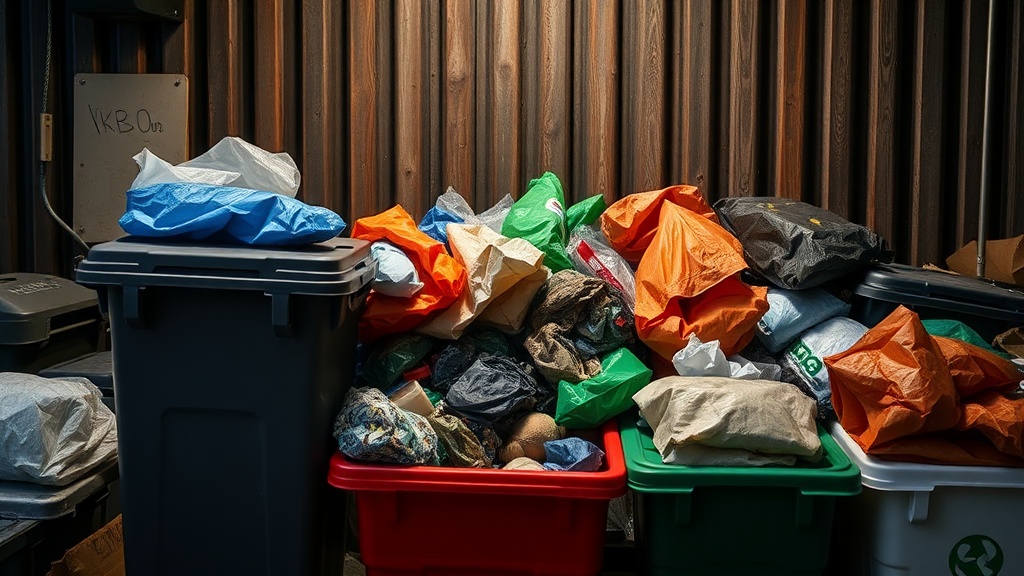
How to Properly Sort Your Waste and Recycling in Courtenay

What Does Courtenay's Curbside Recycling Program Actually Accept?
Courtenay's curbside recycling program accepts paper, cardboard, plastic containers, metal cans, and glass bottles — but only if they're clean, sorted properly, and placed in the right bins. Getting it wrong means your stuff ends up in the landfill, and nobody wants that. This post breaks down exactly how to handle waste and recycling in Courtenay so you're doing right by our community and keeping unnecessary trash out of the Comox Valley Waste Management Centre on Bevan Road.
The Comox Valley Regional District (CVRD) manages waste services for Courtenay and the surrounding areas. Their system isn't complicated, but there are specific rules that catch people off guard. Miss a step and your bin might get left at the curb with a sticker explaining what you did wrong — not exactly the kind of attention anyone wants from the neighbours.
How Do You Sort Household Waste in Courtenay?
You sort household waste in Courtenay by separating materials into four main streams: curbside recycling (blue bag or bin), organic waste (green bin), garbage (black cart), and depot-only items like electronics, batteries, and soft plastics. Each stream has its own collection schedule and specific do's and don'ts.
Here's the breakdown for Courtenay residents:
| Waste Stream | What Goes In | Collection Schedule |
|---|---|---|
| Blue Box Recycling | Clean paper, cardboard, rigid plastics (#1-7), metal cans, glass jars | Bi-weekly |
| Green Bin Organics | Food scraps, food-soiled paper, yard trimmings | Weekly |
| Garbage (Black Cart) | Non-recyclable waste, items that can't go elsewhere | Bi-weekly |
| Depot Drop-off | Soft plastics, batteries, electronics, paint, hazardous waste | Self-haul as needed |
The green bin program is where Courtenay has really stepped up its game. All those food scraps — banana peels, coffee grounds, eggshells, even pizza boxes with grease stains — go straight into the green bin. The CVRD processes this material at the Comox Valley organics facility, turning our collective kitchen waste into compost that gets used locally. That's our apple cores coming back to feed gardens right here in the Valley.
Worth noting: Courtenay's green bin program accepts way more than you might expect. Meat scraps and bones? Yes. Soiled paper towels and napkins? Absolutely. Small amounts of cooking oil in a sealed container? That too. The only hard nos are compostable plastics (they don't break down fast enough), pet waste, and anything with synthetic chemicals.
Where Can You Recycle Items That Don't Go Curbside?
You can recycle items that don't go curbside at several drop-off locations throughout Courtenay and the Comox Valley, including the Comox Valley Waste Management Centre on Bevan Road, the Lewis Centre on Sixth Street, and various retail take-back programs at local businesses.
Soft plastics — those crinkly bags, bread bags, and plastic overwrap — are the bane of recycling everywhere. In Courtenay, these don't go in your blue box. Instead, collect them and drop them at the Waste Management Centre or participating grocery stores like Save-On-Foods in the Driftwood Mall. Many people don't realize this option exists, so bags pile up in garages until someone figures it out.
Batteries and small electronics have their own path. Call2Recycle drop-off points are scattered around town — London Drugs on Ryan Road takes them, as does the Source in the same plaza. Old paint cans? The ReStore on Broughton Street accepts those through the Product Care recycling program. The point is: almost everything has a second life somewhere in Courtenay if you're willing to make the short trip.
Here's the thing about hazardous waste — motor oil, pesticides, old cleaning products. You can't just toss these in any bin. The Waste Management Centre runs special collection events a few times yearly, and some materials can be dropped during regular hours. Check the CVRD website for the current schedule. Store this stuff safely in your shed or garage until you can dispose of it properly — pouring it down the drain or burying it in your yard isn't just bad practice, it's harmful to our local waterways and wildlife.
What's the Right Way to Prepare Recyclables in Courtenay?
You prepare recyclables in Courtenay by rinsing out food residue, flattening cardboard boxes, leaving lids on plastic containers (but off glass jars), and never bagging your recyclables in plastic — keep them loose in your blue box. These small steps make a massive difference in whether your materials actually get recycled.
Contamination is the enemy. One dirty peanut butter jar can contaminate an entire batch of paper recycling. The sorting facility in Nanaimo — where much of Courtenay's recycling ends up — uses automated systems that can't handle food waste or mixed materials. A half-empty soda bottle might seem harmless, but it can ruin otherwise good recyclables.
Cardboard deserves special mention because we generate so much of it. Amazon deliveries, Costco runs, moving boxes — Courtenay residents go through cardboard like nobody's business. Break down every box, remove tape and labels when possible, and stack it neatly. Oversized pieces won't fit in the truck's compactor, so cut large boxes into manageable sections. The cardboard baler at the recycling facility works best with clean, flat material — not wadded-up balls or boxes stuffed with packing peanuts.
Glass is another tricky one in Courtenay. Unlike some regions that accept glass in curbside bins, the CVRD prefers you keep glass separate or follow specific local guidelines. Broken glass is a safety hazard for collection workers and can contaminate other recyclables. Check your current collection calendar — the rules have shifted over time, and keeping up with the latest guidance saves everyone headaches.
Common Mistakes Courtenay Residents Make
Even well-meaning neighbours get this wrong sometimes. Here are the repeat offenders:
- Recycling greasy pizza boxes — These go in the green bin, not the blue box. The oil contaminates paper recycling.
- Bagging recyclables in plastic bags — Never do this. Plastic bags tangle sorting equipment. Use paper bags or keep items loose.
- Tossing coffee cups in recycling — Those Tim Hortons and Starbucks cups lining the streets of Downtown Courtenay? Mostly not recyclable. The plastic lining makes them garbage unless there's a specific TerraCycle program.
- Forgetting to check the numbers — Not all plastics are equal. Flip containers over and look for the recycling symbol. Some #7 plastics have limited markets and may need special handling.
How Can Businesses and Apartments Handle Waste in Courtenay?
Businesses and apartments in Courtenay can arrange commercial waste collection through private haulers or the CVRD's commercial services, set up shared green bin programs for food waste, and establish clear sorting stations with signage to reduce contamination. Multi-family buildings face unique challenges — one careless resident can ruin recycling for the entire building.
If you manage a property or own a business on Cliffe Avenue, Fifth Street, or anywhere in between, invest in proper bins and clear labels. The CVRD offers free signage and educational materials. Place bins in convenient locations (people won't walk far), use consistent colours (blue for recycling, green for organics, black for garbage), and post simple instructions with pictures. Staff training helps too — especially in restaurants along the Old Island Highway where food waste volumes are high.
The catch? Commercial waste isn't collected on the same schedule as residential. You'll need to contract with a hauler or set up a direct arrangement. Some local businesses share dumpsters to cut costs — just ensure everyone's on the same page about what goes where.
Seasonal Waste Tips for Courtenay Residents
Courtenay's climate creates seasonal waste challenges. In fall, those leaves piling up in your yard on Willemar Avenue or Aberdeen Road? Don't bag them in plastic. Use paper yard waste bags or the green bin for small amounts. Large volumes can go to the Waste Management Centre's composting area.
Spring cleaning brings its own headaches. Old furniture, appliances, and renovation debris require special handling. The ReStore takes usable furniture and building materials. Metal appliances can often be recycled for free at scrap yards or during CVRD collection events. Mattresses? There's a specific recycling program — don't dump them in the woods behind your property (sadly, illegal dumping happens in rural areas around Courtenay more than we'd like to admit).
Winter holidays generate enormous waste volumes — wrapping paper (often not recyclable), packaging, food waste. Plan ahead. Save gift bags for reuse. Flatten shipping boxes immediately so they don't take over your garage. And remember: the green bin accepts turkey bones, fruitcake nobody wanted, and those wilted decorative gourds.
Sorting waste properly in Courtenay isn't about being perfect — it's about being intentional. Every correctly sorted item is one less piece of trash polluting our beautiful Valley. The CVRD makes resources available (their Recycle Coach app is genuinely helpful), and our community benefits when we all do our part. Whether you're in East Courtenay, the city centre, or out toward Dove Creek, the rules are the same: know your streams, rinse your containers, and keep hazardous materials out of the regular waste stream.
Steps
- 1
Understand Courtenay's Three-Bin System
- 2
Check Your Curbside Collection Schedule
- 3
Know What Goes Where and Find Local Drop-Off Options