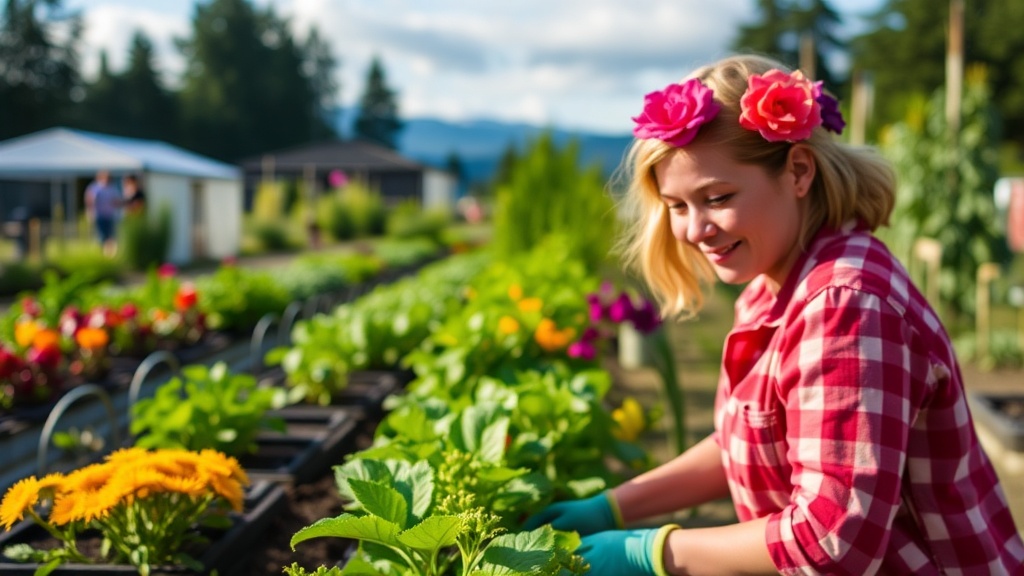
Growing Together in Courtenay: 6 Local Community Gardens to Join This Season

Have you ever wondered where to find a plot of soil to call your own right here in Courtenay?
This guide covers the various community garden initiatives within our city limits and explores why getting involved matters for our local food security and social fabric. We aren't just talking about aesthetic flower beds; these are working spaces where neighbors meet, share seeds, and build a more resilient Courtenay. Whether you're living in a condo on 5th Street with only a tiny balcony or you've got a shaded yard in the Old Orchard neighborhood that won't grow a single tomato, these local spaces offer a way to get your hands in the dirt. Our community has a long history of agricultural roots, and today, that tradition continues through these shared patches of land that provide fresh produce and a sense of belonging for everyone who calls our city home.
Where can I find a community garden in Courtenay?
The most prominent spot for many of us is the Harmston Park Allotment Gardens. Located right near the heart of downtown Courtenay, these plots have been a staple for residents who live in apartments or houses with shaded yards. You'll find these plots tucked away behind the old school building, offering a sunny patch for everything from kale to dahlias. The City of Courtenay manages these allotments, and they usually have a waitlist, which just shows how much our community values this green space. It's a short walk from the library and the local shops on 5th, making it a convenient stop after you've finished your morning errands. You can find more information about city-managed spaces on the official City of Courtenay website.
When you walk past the Harmston plots in mid-July, the scent of sweet peas and the sight of towering runner beans really bring home the productivity of our local soil. It isn't just about the food, though. It's about the conversations over the fence, the sharing of tips on how to handle the latest influx of aphids, and the general feeling of peace that comes from working outdoors. For many of our seniors and young families alike, this garden is a vital link to the seasons and to each other.
The Lake Trail Community School Garden
Over on Willemar Avenue, the Lake Trail Community School garden is a brilliant example of how we can integrate education with local food production. This isn't just for the students; it's a neighborhood hub. They often host work parties where anyone from Courtenay can come lend a hand. It's an inspiring sight to see the progress made there over the last few years—turning a simple grass field into a productive orchard and vegetable patch. The garden includes raised beds, a large greenhouse, and even a food forest area that's designed to be a permanent resource for our community. It's a place where the barrier between the school and the neighborhood disappears, as residents of all ages work side-by-side to plant garlic in the fall or harvest potatoes in the late summer.
How do I sign up for a garden plot in our city?
Finding your way into a garden plot often starts with a conversation with the Lush Valley Food Action Society. They are the backbone of many food initiatives here in the Comox Valley. While they don't manage every single plot, they have the best pulse on where openings might be or which new projects are starting up. Plus, they run the Shared Harvest program, which is perfect if you don't have the time to manage a full plot but still want to be involved in the harvest. They help connect people who have extra fruit or vegetables with those who can help pick and distribute them, ensuring nothing goes to waste in our Courtenay backyards.
If you're looking for a more formal allotment, the process usually involves getting on a registry. For the Harmston Park site, you'll need to contact the city's recreation department. Be prepared to wait a season or two, as these spots are highly coveted. In the meantime, many residents find that joining a volunteer crew at one of the school gardens or the 'I Can' garden is a great way to build skills and meet the people who can help you find a permanent spot later on. It's all about who you know in the dirt-under-the-fingernails circle of Courtenay.
L'Arche Comox Valley 'I Can' Garden
Located in the South Courtenay area near Grieg Road, the L'Arche 'I Can' Garden is perhaps the most inclusive space we have. It's specifically designed to be accessible for people of all abilities, with high raised beds that allow folks in wheelchairs or those with limited mobility to garden comfortably. This space embodies the spirit of our community—ensuring that everyone, regardless of physical challenges, can participate in the joy of growing things. It's a quiet, peaceful spot that feels a world away from the bustle of Cliffe Avenue, even though it's just a short drive away. The volunteers there are some of the kindest people you'll meet in Courtenay, and they're always happy to show newcomers around the rows of berries and greens.
What are the benefits of urban gardening for Courtenay residents?
Beyond the obvious perk of having the freshest snap peas you've ever tasted, gardening in our city offers deep rewards for our mental and physical health. We live in a beautiful part of British Columbia, but many of us spend too much time behind screens or steering wheels. Getting out into a community garden forces us to slow down. You can't rush a tomato into ripening, and you can't ignore the weeds that pop up after a week of typical Courtenay rain. This forced patience is a great antidote to the stresses of modern life. It also provides a low-impact way to stay active, which is why you'll see so many of our retired neighbors spending their mornings tending to their onions at the allotment plots.
Then there's the food security aspect. By growing even a small portion of our own food, we're making our community more resilient. We've all seen how supply chain issues can affect the shelves at the local Thrifty's or Quality Foods. Having a network of community gardens means we have local knowledge and local seeds that are adapted to our specific climate. We're learning how to store carrots for the winter and how to dry herbs that will last until the next spring. These are skills that were common in Courtenay a hundred years ago, and we're seeing a beautiful resurgence of that wisdom today.
The Shared Harvest and Fruit Tree Picking
Not everyone in Courtenay has the physical ability or the time to maintain a traditional garden bed, but many of us have older fruit trees on our property that produce more than we can handle. This is where the Shared Harvest initiative really shines. It's a beautiful way to ensure that the bounty of our local land stays within the community. Volunteer teams head out across the city—from the heights of Mission Hill down to the flats of the Puntledge River—to pick apples, pears, and plums. The harvest is then split between the homeowner, the volunteers, and local food banks or school programs. It's a simple, effective way to feed our neighbors and keep our city's urban forest productive.
If you've got an old apple tree in your yard that's dropping fruit and attracting bears or wasps, don't just let it rot. Reaching out to local groups can turn that "problem" into a resource for the whole community. It's one of those uniquely Courtenay solutions where everyone wins. You get a clean yard, the volunteers get some fresh fruit, and those in need in our community get access to high-quality, local produce that hasn't traveled thousands of miles in a refrigerated truck.
We also have several smaller, less formal garden projects popping up in neighborhoods across Courtenay. Some are as simple as a few cedar boxes on a boulevard (with city permission, of course) or a shared herb garden at the end of a cul-de-sac. These micro-gardens are just as important as the big allotments because they bring the beauty and utility of gardening right to our doorsteps. They encourage us to walk our neighborhoods more and talk to the people who live three doors down. In a world that can often feel disconnected, these little patches of green are the glue that holds our Courtenay blocks together. Whether you're a master gardener or someone who has never successfully grown a radish, there's a place for you in our city's dirt. So, grab a pair of gloves and a trowel, and we'll see you out there in the gardens this spring.