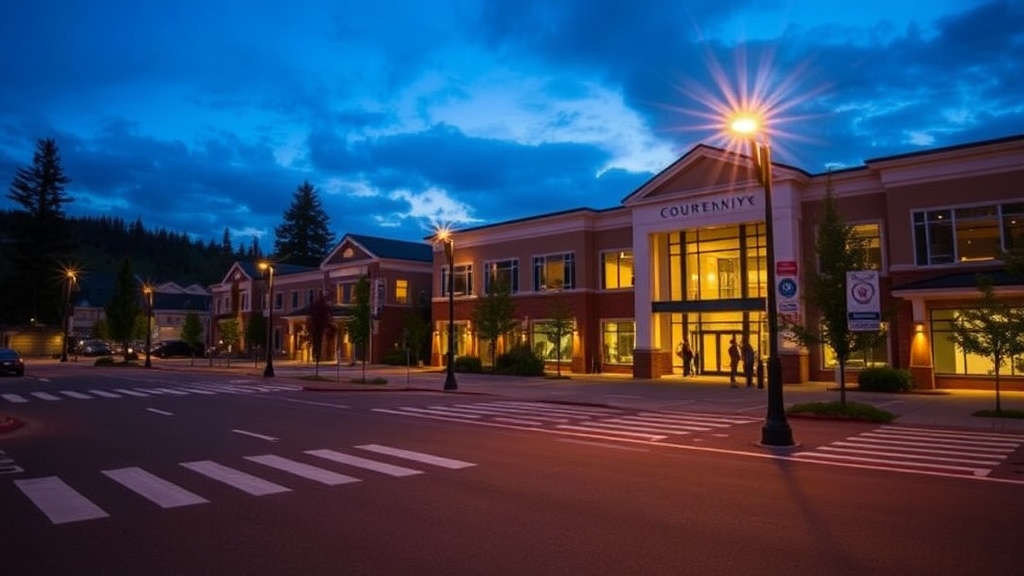
Getting Involved with the Courtenay City Council and Local Governance

Imagine you're walking down 1st Street in downtown Courtenay and you see a new development proposal or a change in zoning that might affect your neighborhood's character. You might feel like decisions are happening behind closed doors, but in our community, there are specific ways to make your voice heard before a vote happens. Understanding how to engage with the City of Courtenay isn't about becoming a politician; it's about being an informed resident who knows how to participate in the civic processes that shape our streets, parks, and local infrastructure.
Being an active part of Courtenay means knowing that our local government isn't just a distant entity—it's a system we can interact with directly. Whether you're worried about bike lanes on Comox Avenue or the maintenance of local parks, there are formal channels designed for us to share our perspectives. This guide covers the practical steps you can take to stay informed and get involved in the decisions that affect our corner of the Comox Valley.
How do I stay informed about Courtenay city meetings?
The first step to being an active resident is knowing where the information lives. The City of Courtenay publishes agendas and minutes for all council and committee meetings. If you want to see what's being discussed regarding local budgets or upcoming public works, you should regularly check the official City of Courtenay website. Most people find it helpful to look at the meeting calendars ahead of time so they aren't caught off guard by a sudden change in local policy.
Council meetings are the heartbeat of our local governance. They happen at the City Hall, and they are open to the public. You don't have to be an expert to show up. In fact, having a variety of voices from different neighborhoods—from Tsolum to the more central areas—helps ensure that the decisions made reflect the actual needs of our community. You can often find the specific dates for upcoming sessions on the city's official calendar to ensure you're prepared.
Can I speak directly to the Mayor or Council?
Yes, you certainly can. Most formal meetings in Courtenay include a section for 'Public Delegations.' This is your chance to stand up and speak for a few minutes about a specific topic. If there is a development being proposed near your home or a change to a local park, you can request to be added to the agenda. It's best to do this well in advance of the meeting date to ensure you're officially recognized as a speaker.
When you do get your chance to speak, keep it focused. Whether you're discussing a local transit issue or a new community center project, being clear and concise helps your point land. The council members are our neighbors, too, and they appreciate when residents present well-reasoned points. Remember, the goal isn't just to voice a complaint, but to offer a perspective that helps the decision-makers understand how a policy affects real people living in Courtenay.
Where can I find information on local community planning?
Long-term planning is where the real structure of our city is built. If you're interested in how Courtenay will look ten years from now, you need to look at the Official Community Plan (OCP). This document guides everything from residential density to how we use our green spaces. Many of these plans undergo periodic reviews, and those are the absolute best times to get involved.
Public hearings are a vital part of this process. When the city wants to change a zoning bylaw—perhaps to allow for more multi-family housing in a specific area of Courtenay—they are legally required to hold a public hearing. This is a high-stakes moment for our community. If you have strong feelings about local development, these are the moments to be present. You can track these notices through the city website or by watching the local community boards. For more detailed information on regional land use and how it interacts with our local area, you can check the Comox Valley Regional District website.
Beyond the formal meetings, there are many ways to participate in the civic life of our city. Many local organizations, such as the Courtenay Community Services, work alongside the city to address social needs. Being aware of these partnerships helps you understand the full scope of how our community functions. You might also find it useful to follow local community groups on social media, as they often discuss local issues and upcoming city-led initiatives before they even hit the mainstream news.
Engaging with local governance doesn't have to be a full-time job. Even small actions—like signing a petition for a local community project or sending a polite email to a council member regarding a street-level issue—can make a difference. Our community is strongest when we all take a small interest in the systems that run it. Whether you live near the river or closer to the industrial areas, your perspective as a Courtenay resident is a valuable part of the local dialogue.