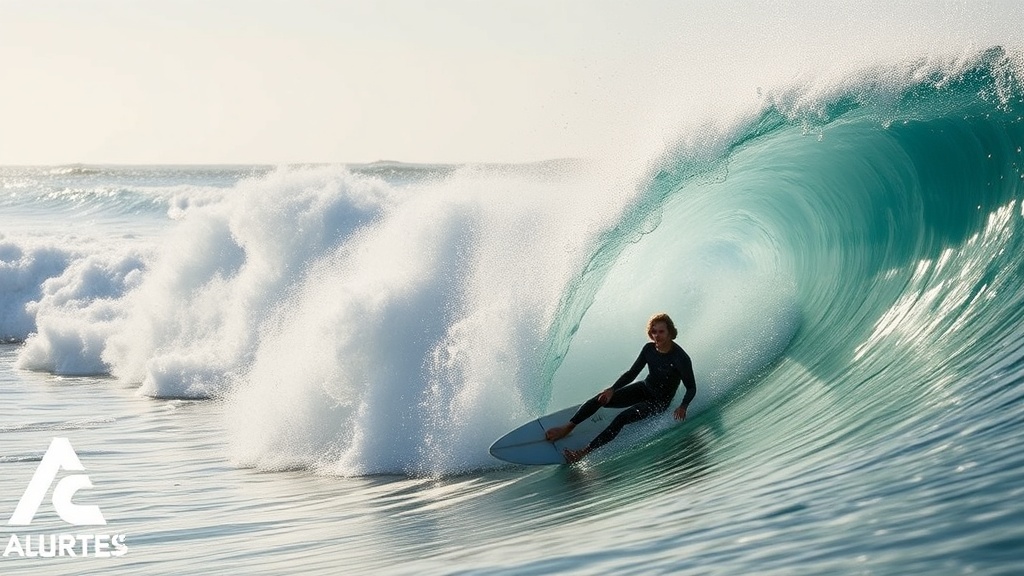
Catching the Best Waves at Local Breaks

Quick Tip
Check the tide charts before you head out to ensure you hit the swell at the right time.
Many people think you need a massive swell to have a good session at our local North Island breaks, but that's a mistake. You don't always need a heavy swell; often, it's about understanding the specific tidal movements and wind directions that make our coastline work. This post breaks down how to time your sessions at spots like Oceanside or even the more rugged breaks further north to ensure you're actually catching waves rather than just paddling for nothing.
Where are the best places to surf near Courtenay?
The best places to surf near Courtemay are typically found around Oceanside and the various points around Comox Bay. While these areas are more accessible, keep in mind that they are often more sensitive to wind than the heavier breaks further north. If you're looking for a more consistent swell, you might find yourself driving a bit further, but the local breaks are perfect for intermediate surfers or those looking for a fun, high-frequency session.
The wind is the real deciding factor here. A strong offshore wind can clean up a messy swell, making it much easier to read the face of the wave. If the wind is blowing onshore, the waves will likely be "crumbly" or even "choppy"—which isn't ideal for anyone wanting a smooth ride.
What gear do I need for North Island surfing?
You need a high-quality 4/3mm or 5/4mm wetsuit, a hood, and potentially booties depending on the season. Even in the summer, the Pacific waters stay chilly. I personally swear by my O'Neill wetsuits because they hold up against the salt and the cold better than cheaper alternatives.
Don't forget a good leash; a snapped leash in a heavy set is a nightmare. Here is a quick checklist of what to pack in your car:
- Wetsuit: 4/3mm is the standard for most of our season.
- Sun Protection: A high-zinc sunscreen (even when it's cloudy).
- Wax: Make sure you have cold-water wax specifically—regular wax will melt off instantly.
- Towels: A large microfibre towel for the quick change in the parking lot.
If you're a beginner, you might want to check the surfing Wikipedia page to understand basic oceanography and swell patterns. It helps to know why the waves are behaving the way they do before you paddle out.
How can I track swell patterns accurately?
You can track swell patterns by using reliable long-range forecasts like Surfline or checking local buoy data. Don't just look at the height of the wave; look at the period (the time between waves). A wave with a 10-second period will feel much more powerful than a 5-second wave of the same height.
The catch? A high-swell forecast doesn't mean much if the wind turns onshore and destroys the shape of the break. I always check the wind direction on my phone before I even leave the house. It's a small step that saves a lot of wasted trips. After a long session, there's nothing better than heading to one of the best patio spots in Courtenay to warm up with a drink.